Jaw and TMJ Pain
“The value of osteopathy lies in addressing the cause and not just the symptom of TMJ pain.”
Peter A. Levine

More than just a pain in the neck
TMJ dysfunction, commonly known as jaw pain, is the result of problems with the temporomandibular joint, which is found on either side of the head and connects the lower jaw to the skull.
This joint allows us to speak, chew, and smile, so it is not surprising that issues can lead to jaw pain, headaches, neck and shoulder pain, teeth grinding, and overall discomfort.
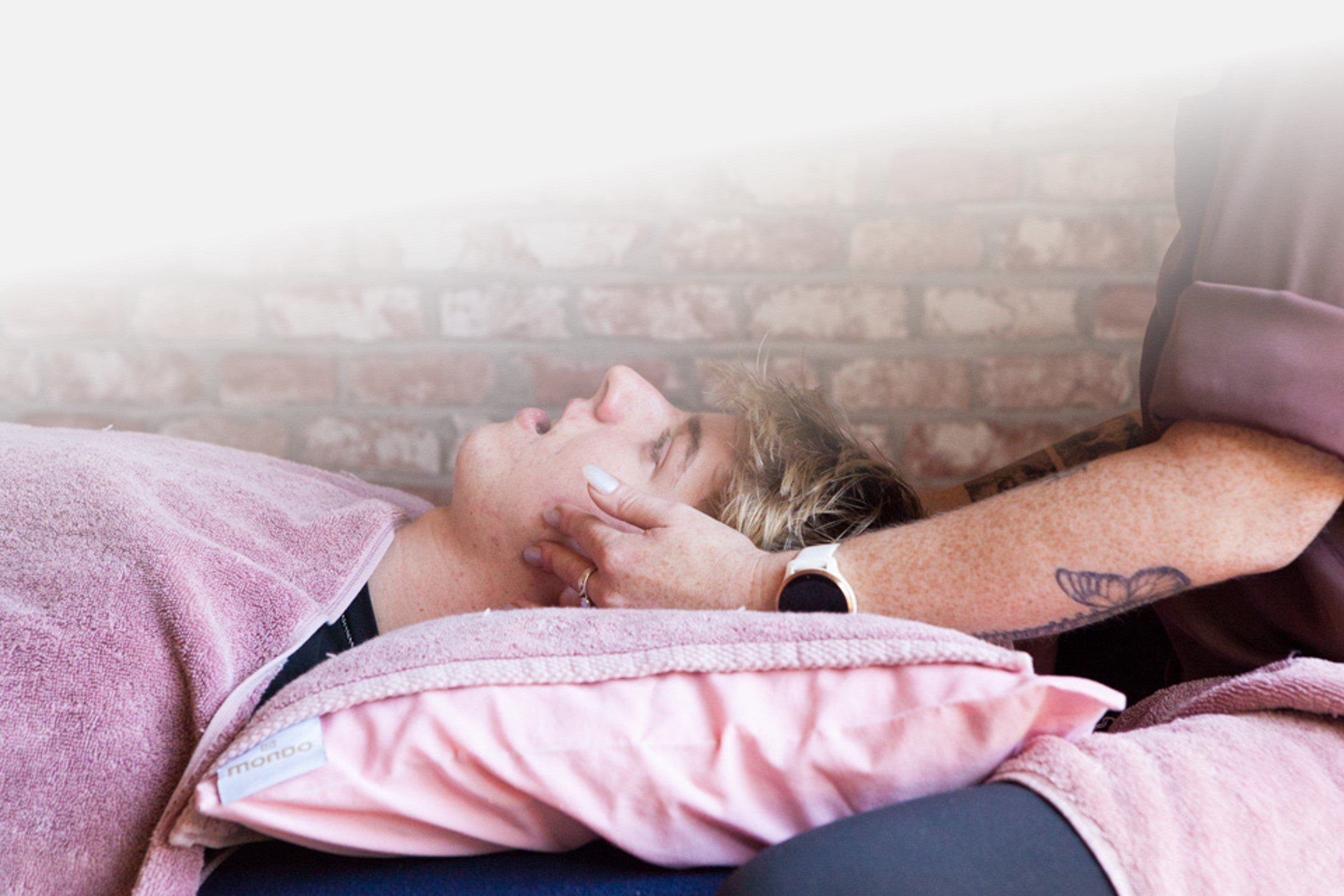
Osteopathy can be an effective treatment for TMJ dysfunction and associated jaw pain, and involves using hands-on manual techniques to reduce pain, tension, and dysfunction. These techniques can include soft-tissue therapy, gentle stretches, and joint mobilization.
Osteopathic techniques can also help treat TMJ-related headaches. Manual techniques like articulation and gentle mobilization can be used to free up the jaw joint and help reduce or eliminate headaches.
This can help restore normal jaw function while also relieving the accompanying pain.

Symptoms we Treat:
The prognosis of Temporomandibular Joint (TMJ) disorders is improved with early diagnosis. It is necessary for the patient to obtain a diagnosis of TMJ pain to differentiate from other causes of facial pain such as temporal arteritis, rheumatoid arthritis, osteoarthritis, or trigeminal neuralgia.
Your Osteo provides diagnosis, conservative treatment and education to help the restoration of normal muscle function and resolution of TMJ conditions.
Pain chewing
Tenderness touching or clenching your jaw
Jaw and neck tightness
Tension Headaches
Jaw overuse
Jaw pain after visiting the dentist
Lock Jaw

Osteopathy Treatments
Osteopathy treatments for jaw pain and TMJ dysfunction can be an effective form of relief and provide lasting results. By using manual techniques to enhance balance and address systemic issues, osteopaths can help patients return to oral health.
Here are some common ways we gently heal TMJ:
Manual Therapy: Osteopaths often use manual therapy as a way to manually manipulate the jaw, soft tissue, and muscles around the jaw to reduce tension and help alleviate pain.
Postural Correction: Osteopaths may suggest adjustments to posture or activities that could be contributing to jaw pain or discomfort.
Stretching Exercises: Stretching can help reduce tension in the jaw muscles, improve the range of motion, and decrease inflammation.
Heat Therapy: Heat therapy is sometimes used to help reduce muscle tension and improve circulation.
Massage Therapy: Massage therapy can help alleviate muscle tension and encourage circulation to the area.
Cranial Osteopathy: Cranial Osteopathy focuses on manipulating the cranial bones of the skull to help reduce pain and tension in the jaw area.
Dietary and Lifestyle Changes: Osteopaths may suggest certain dietary and lifestyle changes to help reduce jaw pain and TMJ. This can include avoiding foods that are hard to chew, avoiding certain activities that may strain the jaw, and quitting smoking.
“Dr Caley is so welcoming and kind. She listens carefully and helps with more than just TMJ.”
— Matt, Hamilton

Frequently Asked Questions about TMJ
-
Temporomandibular joint (TMJ) disorder is characterized by pain and dysfunction of the jaw joint and muscles.
TMJ disorder cause pain and limitations in opening and closing the jaw, difficulty chewing, and can cause the jaw to make clicking or popping noises when moved.
-
Osteopathy is a useful tool in treating TMJ because it can directly address the joint and muscles associated with jaw pain.
It can also help to identify and correct movement restrictions to help the jaw open and close with ease, while reducing pain.
A skilled osteopath can use a variety of soft-tissue and joint techniques to release muscular tension and reduce spasms in the jaw muscles, and to help restore balance and proper alignment of the jaw joint.
-
Osteopathy can use a range of hands-on techniques to treat TMJ, including gentle manipulation of the joints and muscles of the jaw, facial massage and ligament-stretching techniques.
These techniques are designed to alleviate any tightness or inflammation in the jaw, neck, and shoulders that may be contributing to the TMJ disorder.
-
Osteopathy treatments can help to reduce TMJ pain and dysfunction in a relatively short period of time.
However, the length of time it takes can depend on the severity of the condition, as well as the patient's overall health and lifestyle.
In some cases, TMJ can be addressed in as little as a few weeks, while more severe cases may take longer to address.
-
Osteopathic techniques are safe and effective in treating TMJ disorder. The treatment is non-invasive and can help you develop a customized plan to reduce or eliminate your symptoms and improve your quality of life.
Generally, osteopathy treatments have few side-effects. However, treatment may cause some slight discomfort, such as soreness or stiffness of the jaw muscles.
People may also experience headaches or a tiredness following treatment due to the release of tension.